Street Photography Books - Where to Start
Investing in street photography books is one of the best ways to broaden your horizons as a photographer. The work of the great photographers from Magnum and beyond has stood the test of time for a reason. These photographers weren’t chasing likes on social media; they were using their camera to tell stories, often over years or decades. I have found that by building out my own library it has provided a constant source of inspiration to me, and I’ll often flick through one of my favourites for inspiration before going out to shoot.
So where should you get started with building a library of your own if you are new to street and documentary photography? I have provided below a list of 15 books that are readily available on Amazon and as a result reasonably priced at circa £45 or below. Buying a selection of these would provide you with a great starting point for your own library, as they range from collections to individual monographs, and cover both street and documentary work. Note that I will earn a very small commission if you purchase any of the books below using the affiliate links to Amazon (thanks!).
If you are looking to dive deeper and buy out of print photography books, I would throughly recommend both Setanta Books and Wolf Books. However, be warned that your wallet will take quite a beating when it comes to buying out of print books! They can get into the hundreds of pounds territory very quickly!
Here are my 15 books to start with, in A-Z order of the author’s surname:
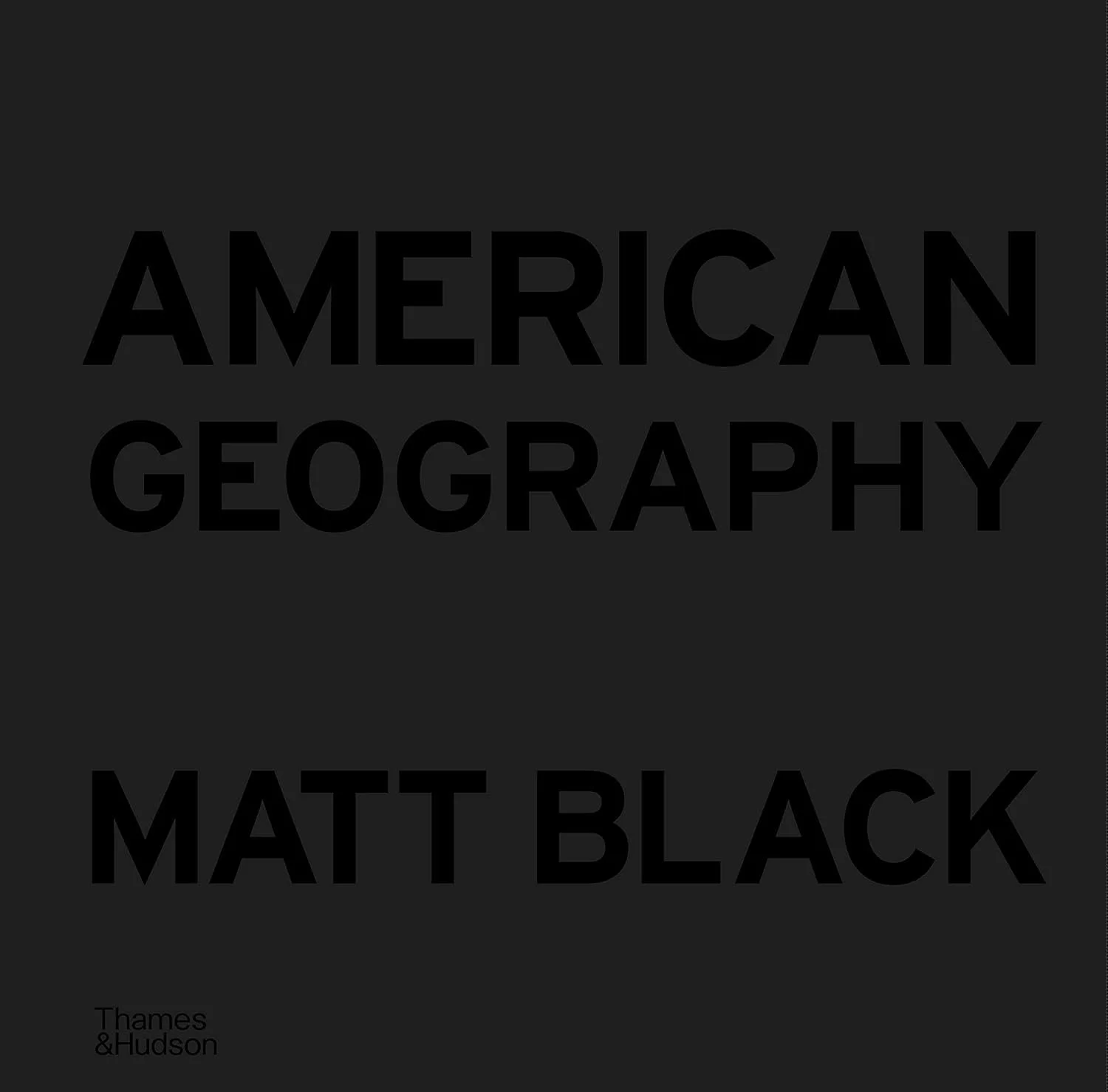
American Geography by Matt Black
American Geography follows Matt Black’s travels across the US solely through communities below the poverty line, mapped and stitched together over years. The book mixes square black‑and‑white frames with hand‑drawn maps and statistics, so each picture sits within a larger pattern of inequality. His photographs are tough but never sensational: portraits, streets and landscapes rendered with a flat, overcast light that suits the subject. The repetition of towns and figures builds a cumulative weight. By the final pages, you feel less like you’ve seen America and more like you’ve travelled inside its fault‑lines. An incredible book.
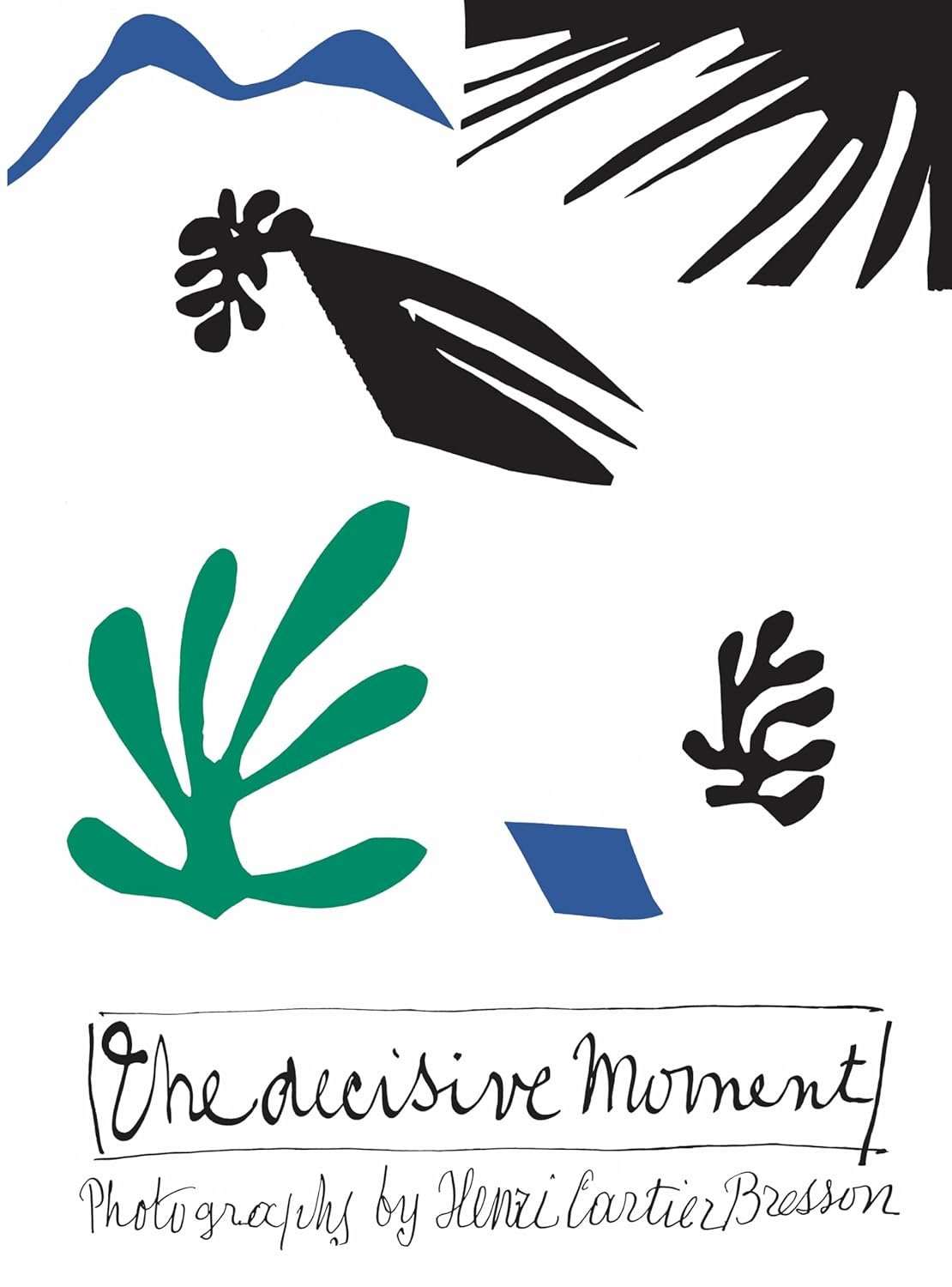
The Decisive Moment by Henri Cartier Bresson
An all-time classic, and recently re-published in a smaller form factor making it accessible to buy again. The Decisive Moment is where Cartier‑Bresson’s legend was really fixed on the page. Opening with those bold Matisse‑designed covers, it gathers his most iconic images into a single, elegant flow that moves from Europe to Asia to America. The photographs feel almost impossibly balanced: geometry, gesture and timing resolving into frames that look inevitable afterwards but were anything but at the time. Politics, play and everyday life sit side by side. Reading it now, you see not just “perfect moments” but a restless curiosity about people and place that still echoes through street photography today.
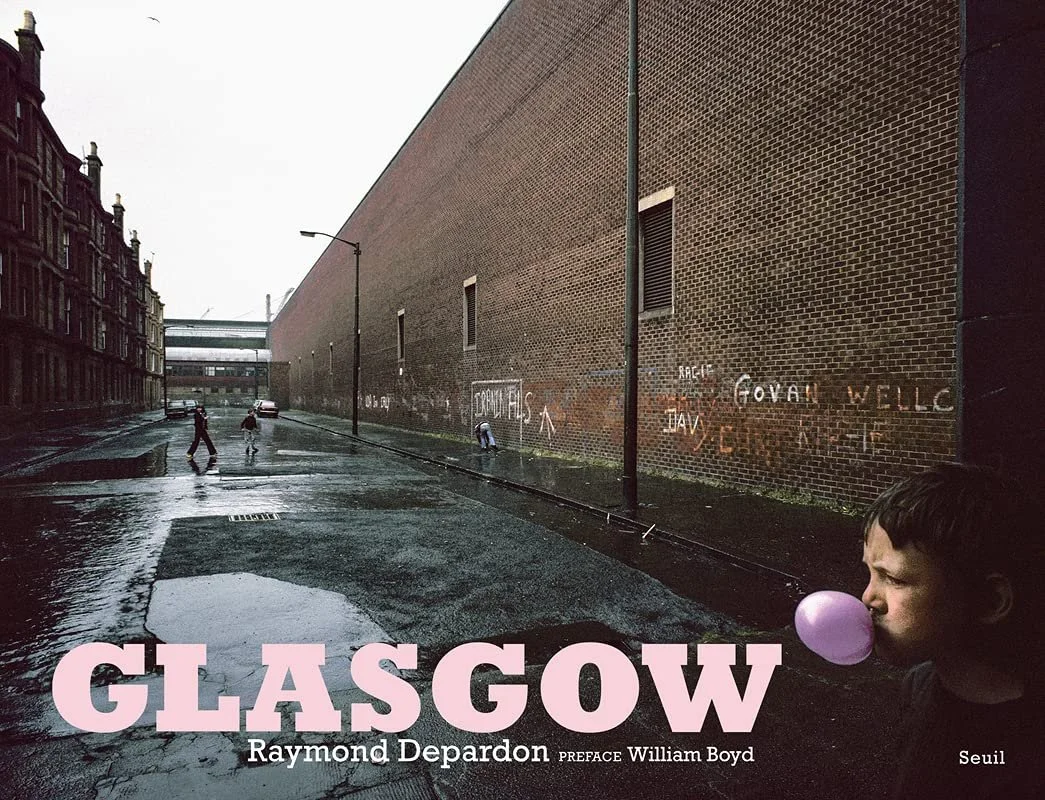
Glasgow by Raymond Depardon
Glasgow takes you into the city’s streets in the early 1980s, when unemployment, drink and damp weather sat heavy on the pavements. Depardon roams housing estates and city‑centre corners with a quiet, patient eye, letting kids, drinkers and passers‑by do the talking. There’s nothing romantic here: shopfronts are shuttered, walls flake, faces are wary, but there’s humour and warmth too in the way people hold themselves against the grey. The pictures feel like fragments from a long walk where every turn shows another small, stubborn act of getting by.
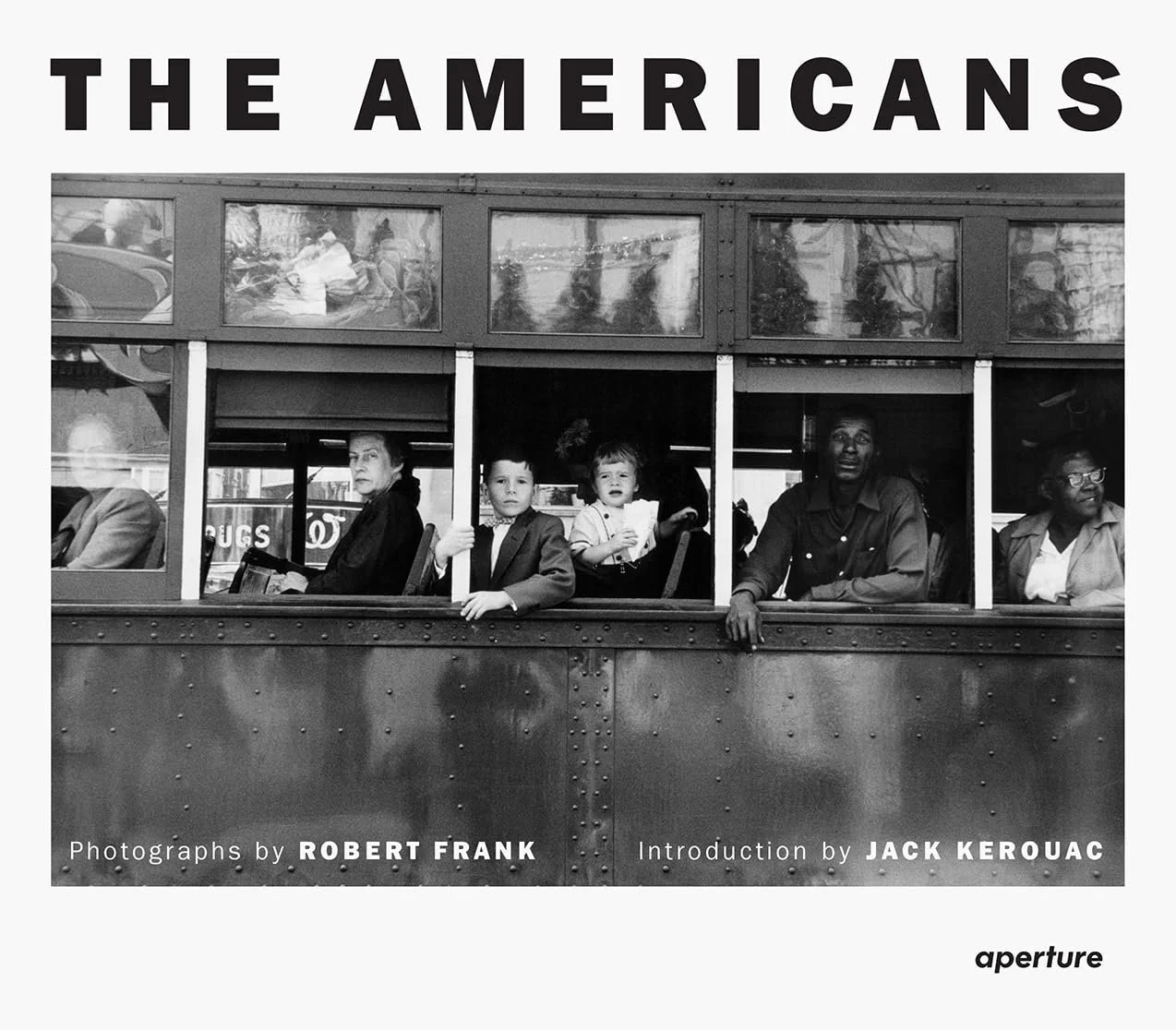
The Americans by Robert Frank
Another of the all-time classics. The Americans still feels sharper than most photography published today. Frank’s cross‑country trip through diners, gas stations, parades and funerals is sequenced like a piece of music—quiet frames followed by jarring notes, then sudden, lyrical runs. The book digs into race, class, patriotism and boredom without ever spelling anything out; small gestures and glances carry the weight. Grain, blur and odd framings are part of the language, not mistakes. The picture taken on Canal Street in New Orleans is a particular highlight.
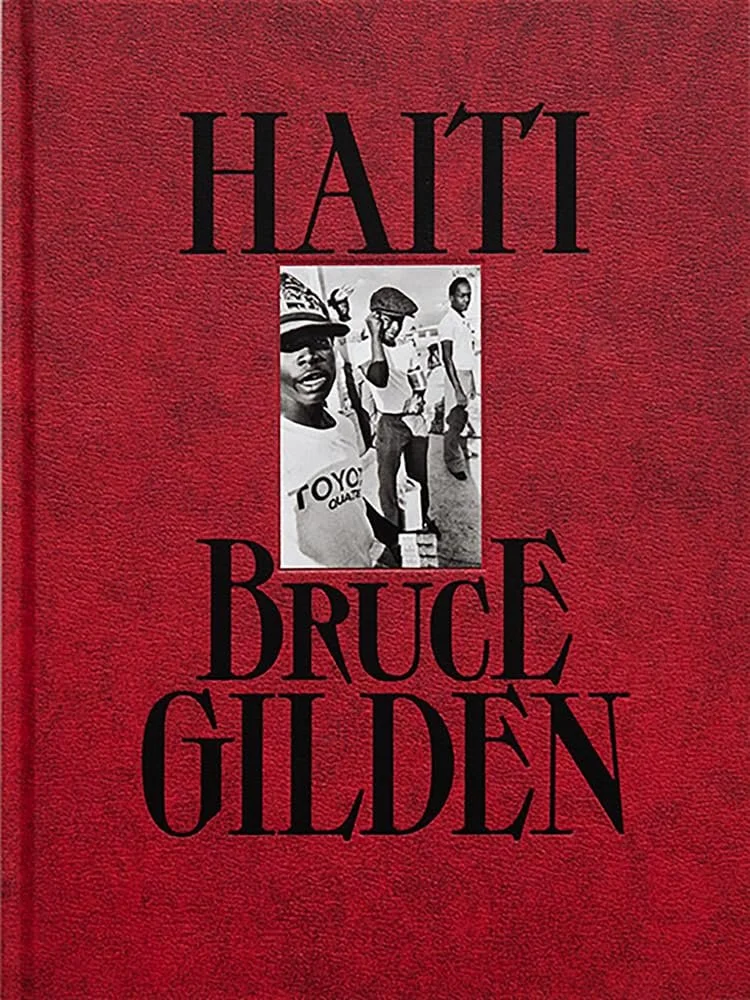
Haiti by Bruce Gilden
Haiti brings together Gilden’s confrontational, close‑range work in Port‑au‑Prince and beyond, shot with his trademark wide‑angle lens and hard flash. Faces, hands and gestures fill the frame, often cropped to the point of discomfort. It’s not an easy book to sit with. The visual aggression raises questions about power, consent and the photographer’s role, but it also reveals a fierce presence and individuality in every subject. Whether you love it or hate it, Haiti forces you to think about how photographs are made, what they show and what they leave out.
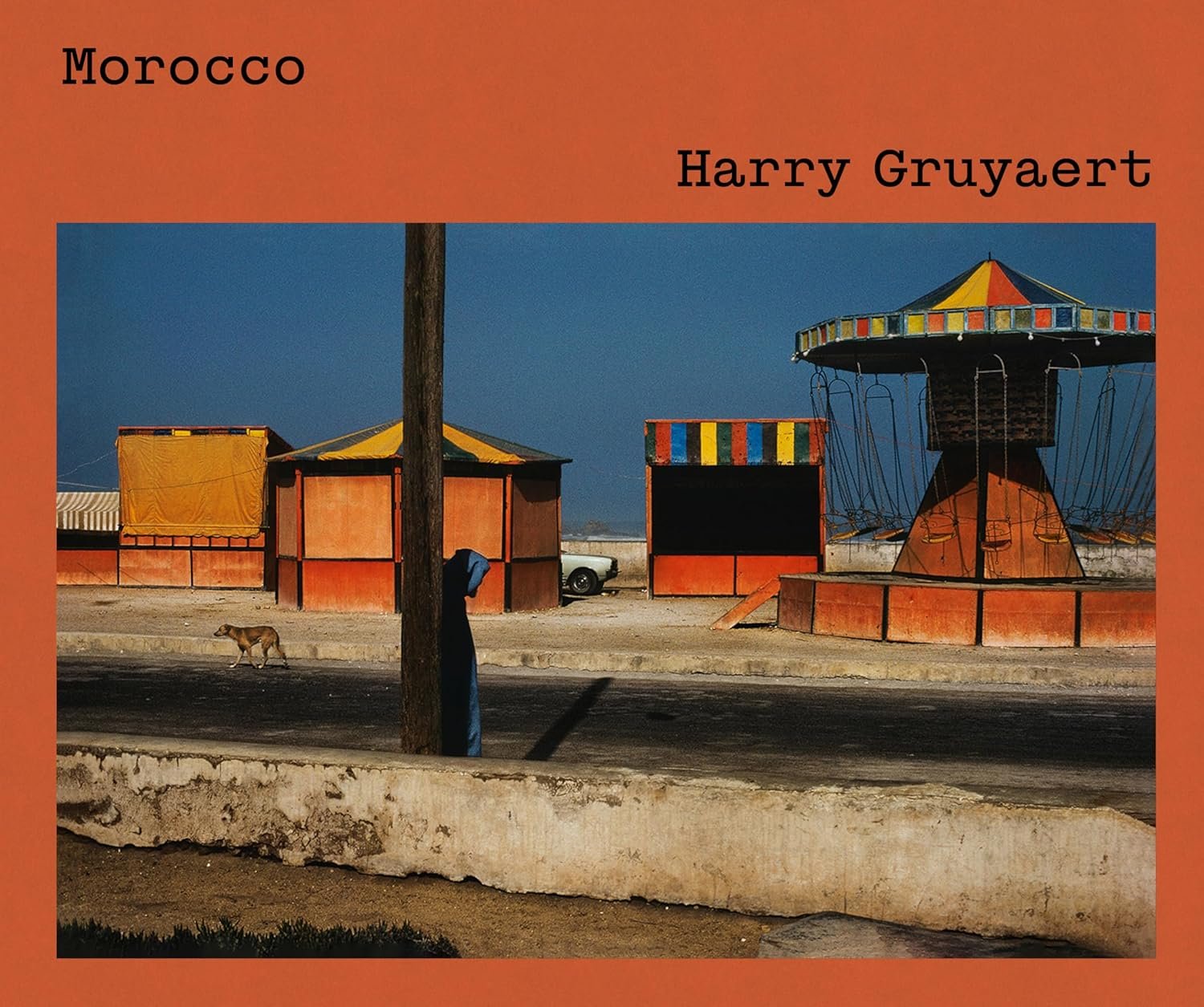
Morocco by Harry Gruyaert
Morocco is Gruyaert’s love letter to colour and atmosphere, built from decades of visits. Streets, cafés, coastlines and interiors are rendered in deep blues, ochres and shadows that feel almost cinematic. People drift at the edges of the frame or become small notes within larger fields of light and architecture. The photographs aren’t about single decisive moments so much as the mood of a place at a particular hour. Turn the pages slowly and you feel temperature, dust and distance shift, like watching the day move from harsh noon to the soft edge of evening.
1946 - 2020 by Chris Killip
This book is a career‑spanning retrospective that gives proper space to Killip’s work in the North East of England and beyond. From coastal communities, to shipyards, fairgrounds nd travellers’ sites, the photographs are steeped in the texture of working‑class life during years of industrial collapse in the 1970s. The prints feel physically dense: coal dust, sea spray and cigarette smoke almost hanging in the air. Yet there’s deep respect in the way people are framed. The book reads as both social history and a personal goodbye, a record of communities that knew exactly what they were losing.
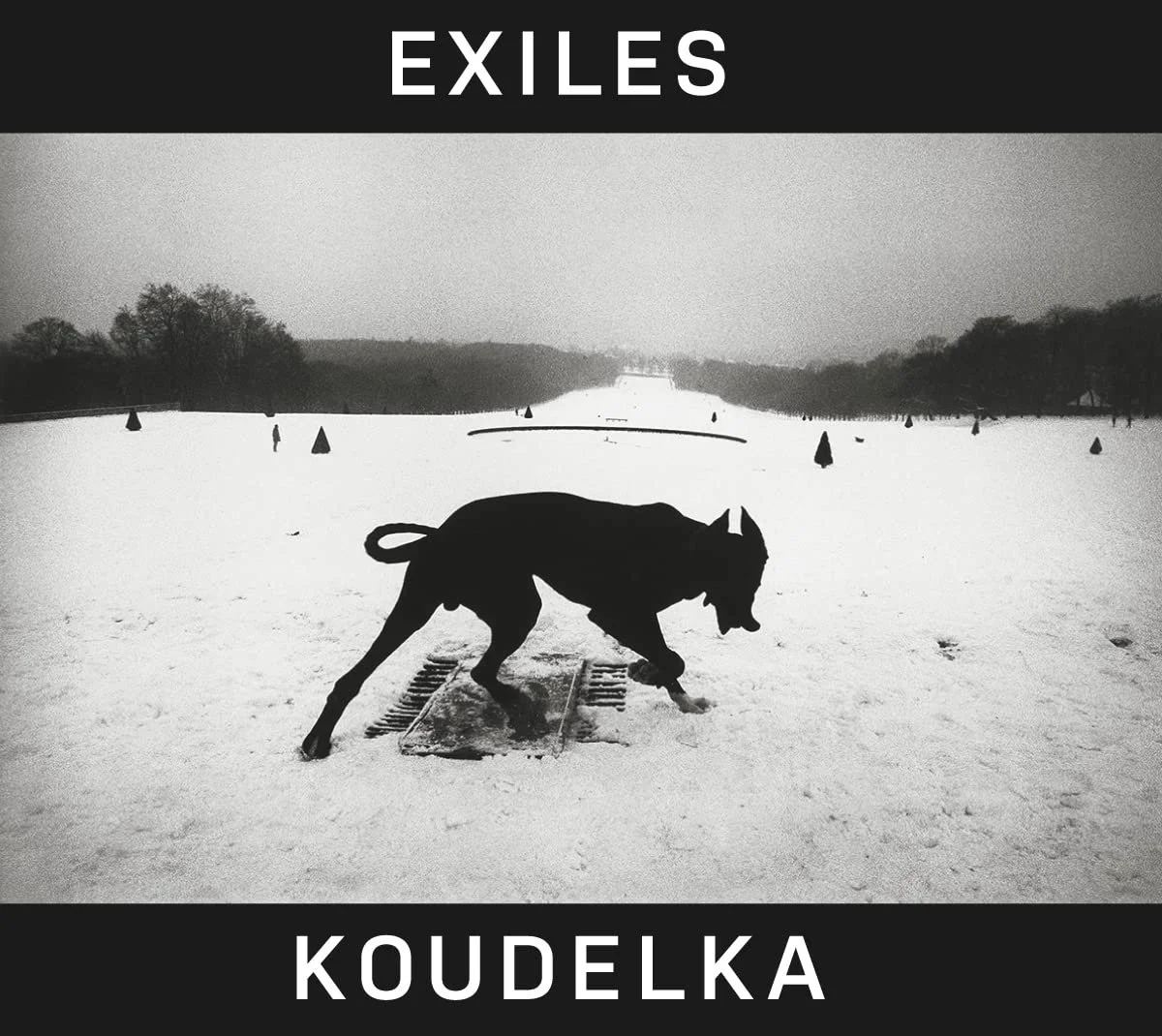
Exiles by Josef Koudelka
Exiles is Koudelka’s long meditation on displacement, built from photographs made across Europe and beyond after he left Czechoslovakia. The locations are rarely named, and that anonymity gives the work its power: people drift through beaches, fields and city streets in stark, high‑contrast black and white that feels almost sculpted. Dogs, travellers, loners and families all share the same sense of being slightly out of place, caught between belonging and departure. It’s a book about movement, but the photographs themselves feel frozen in a kind of suspended time, heavy with weather and doubt.
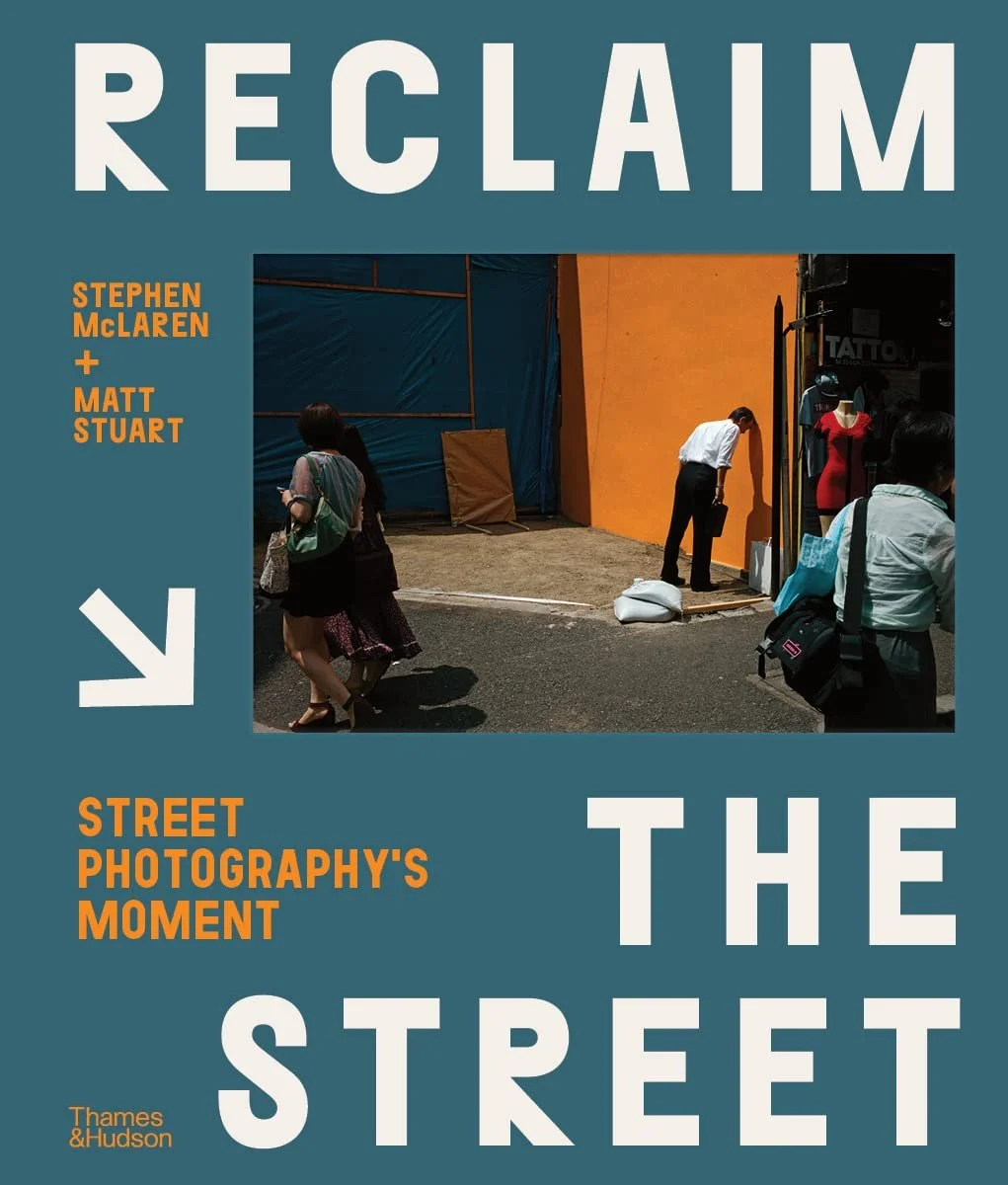
Reclaim The Street by Stephen McLaren and Matt Stuart
A big, generous sweep of contemporary street photography, Reclaim the Street moves from London to Lagos to Los Angeles. It’s sequenced with a photographer’s instincts rather than an academic’s, so you drift between humour, politics and the everyday on almost every spread. McLaren and Stuart mix established names with newer voices, making the book feel alive rather than nostalgic, and there are just enough short texts to frame the pictures without telling you what to think. It’s a book that sends you back outside, looking harder
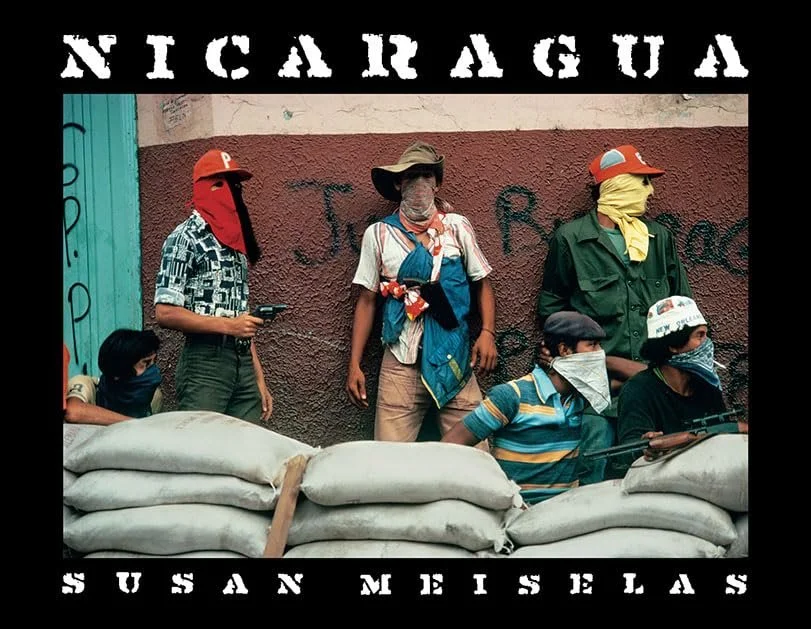
Nicaragua by Susan Meiselas
Nicaragua is Meiselas working at full stretch as a documentary photographer during the Sandinista revolution, from 1978 to 1979. The photographs move from daily life under Somoza to protests, barricades and moments of intimate grief, always with a sense of standing inside events rather than observing from a safe distance. Later editions like this one add interviews, documents and even QR‑linked film clips, deepening the narrative. The book has become part of the country’s visual memory, not just a record of conflict. It’s a reminder of what committed, long‑term photography can carry in a single volume
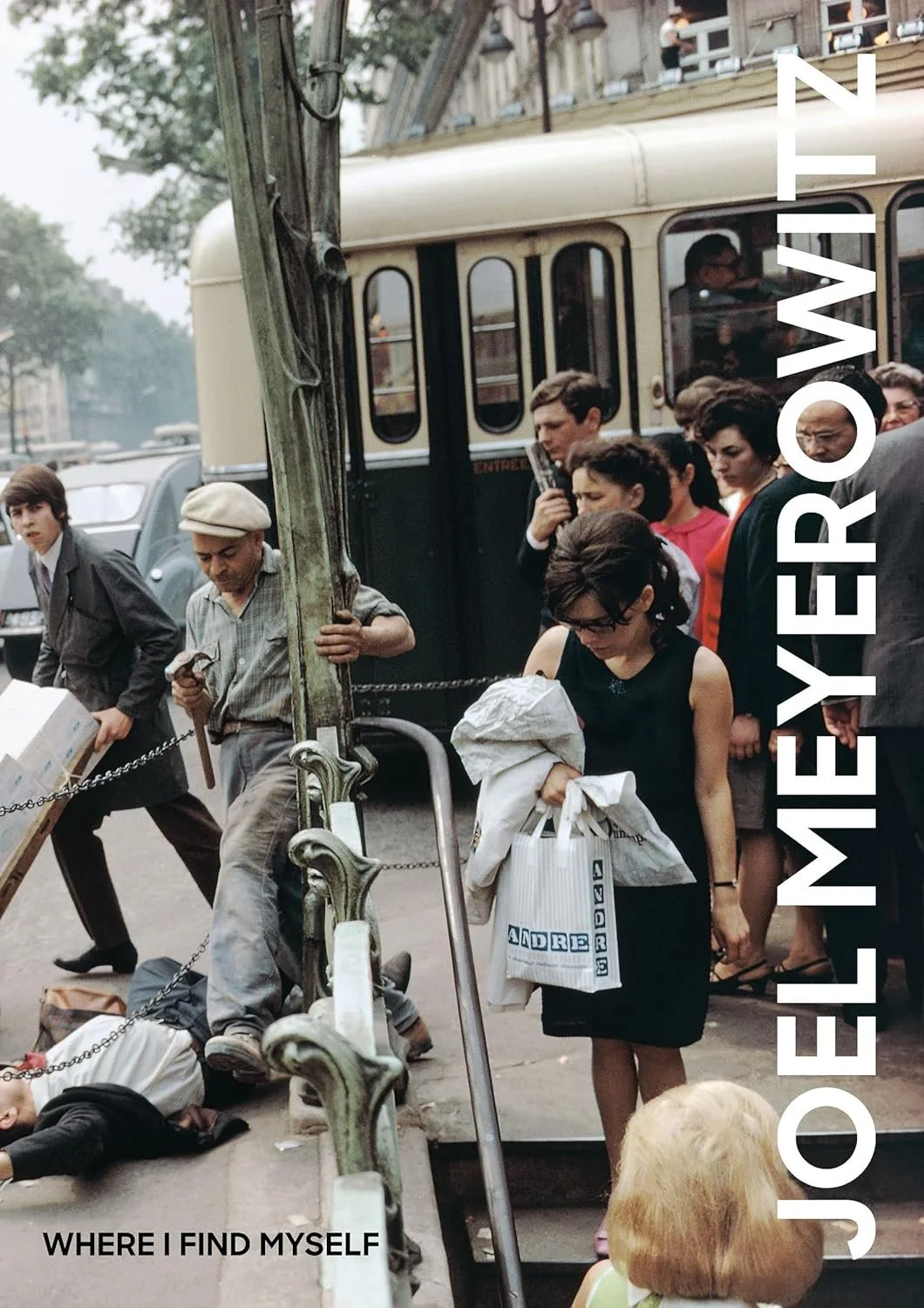
Where I Find Myself by Joel Meyerowitz
Where I Find Myself is Meyerowitz editing his own history, sequencing early 1960s New York street photography, Cape Cod colour, large‑format landscapes and later projects into a loose, autobiographical journey. The tone is reflective without ever feeling like a farewell. You see him move from black and white to that pioneering colour work on the streets of New York, then into quieter, more spacious pictures as his interests and life change. Texts and captions add plenty of insight into how he thought and worked. It’s part career overview, part masterclass in how a way a photographer sees evolves over time.
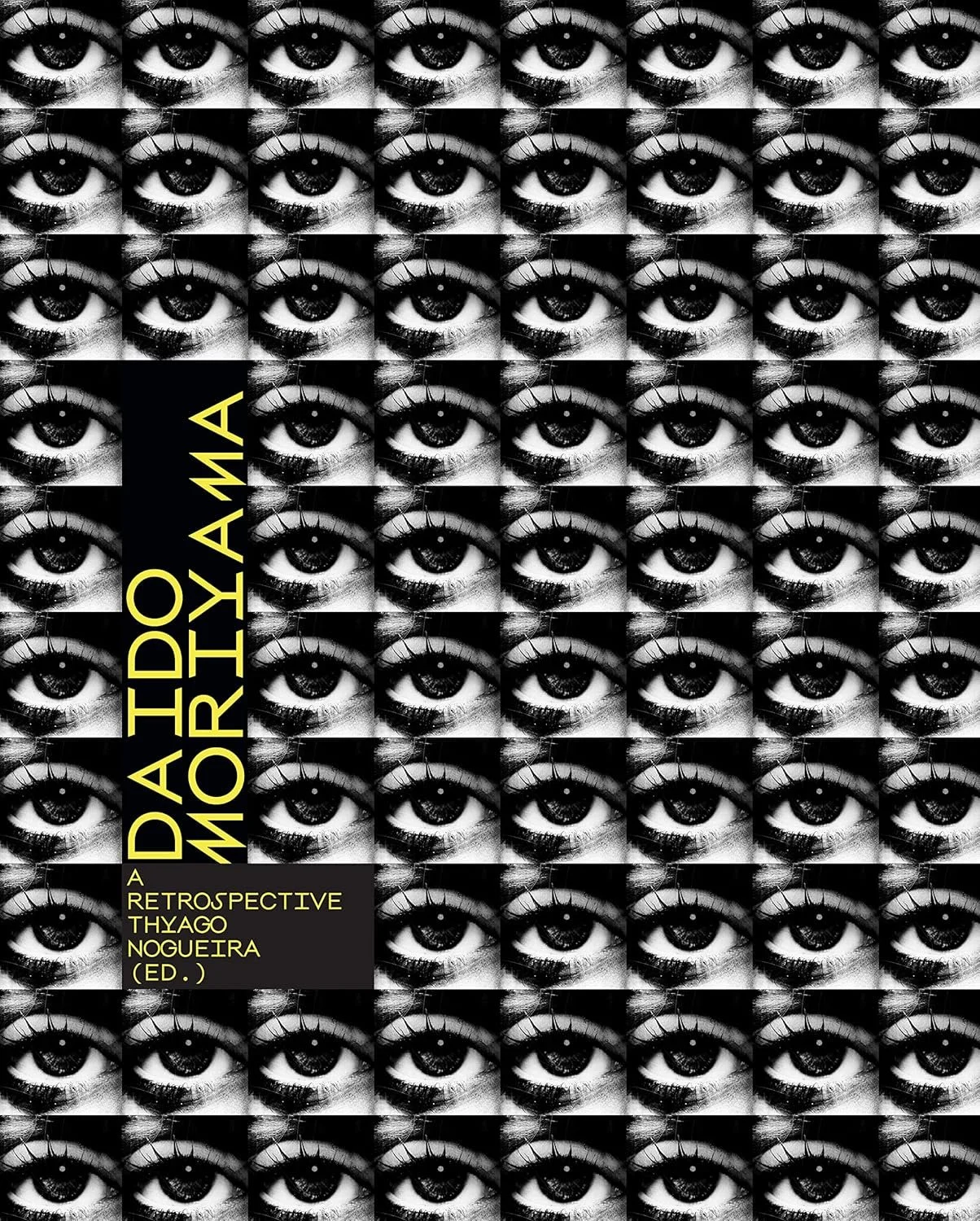
A Retrospective by Daido Moriyama
Daido Moriyama – A Retrospective pulls together early 1960s work, the Provoke years and later colour experiments into a single, fast‑moving narrative. Grain, blur, high contrast and repetition are the constants. Dogs, alleys, shop signs, highways and anonymous faces become a kind of visual vocabulary for post‑war Japanese restlessness.
I was lucky enough to see the exhibition for this book at The Photographers’ Gallery in London, and it was incredible to see it on the walls in sequence.
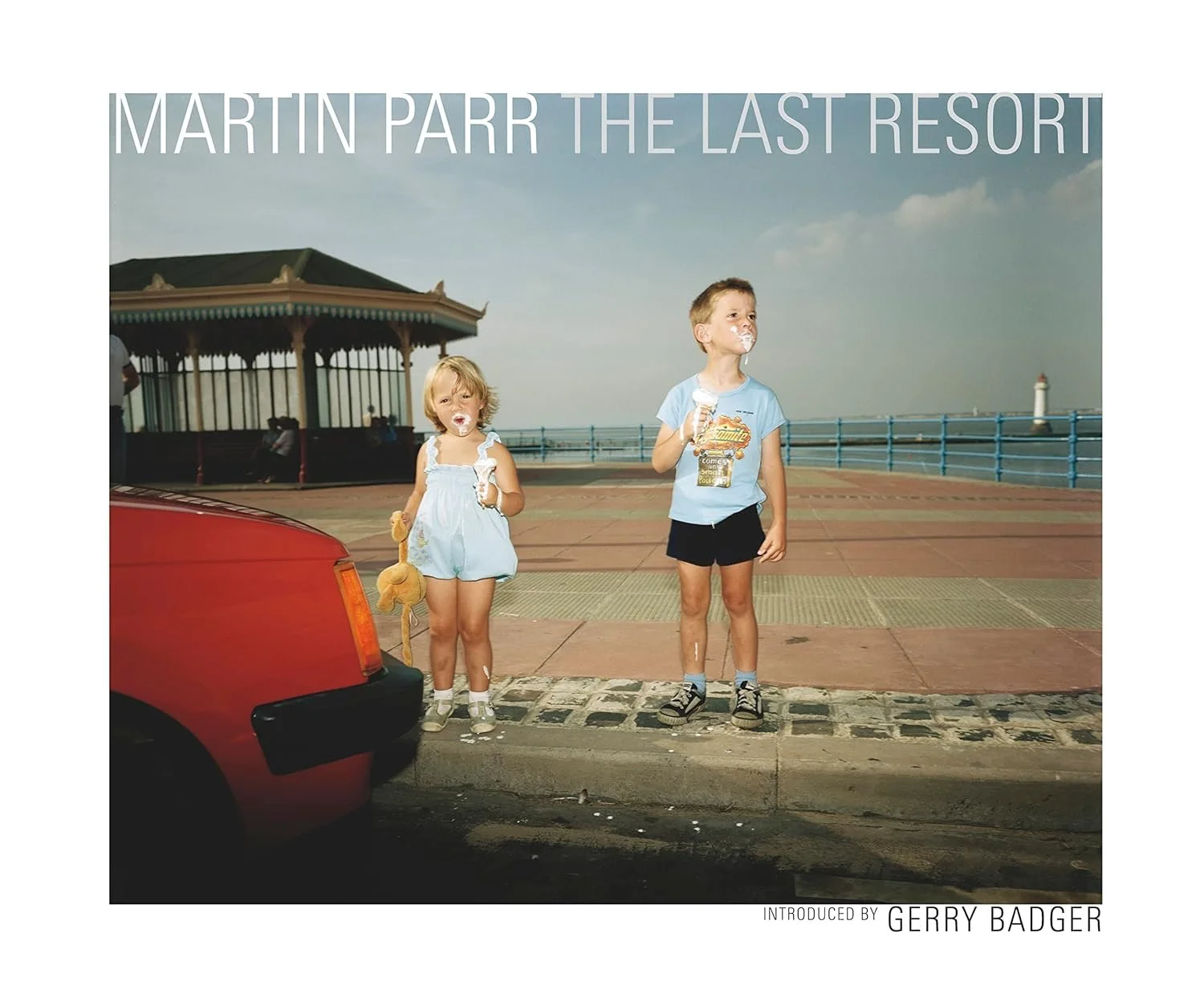
The Last Resort by Martin Parr
The Last Resort takes you to New Brighton in the 1980s, where Parr used his Plaubel Makina, a flash, and colour film, to catalogue British seaside life under the Thatcher government. Families eat chips, queue for ice cream and sit among litter, slot machines and crumbling concrete. At first glance it can seem funny or perhaps a bit cruel - which was a lot of the reaction to the photographs at the time they were first exhibited. However, look longer and deeper, and the economic backdrop becomes harder to ignore. Parr’s eye for body language, gesture and detail says as much as any text. The book still feels painfully current whenever talk turns to class, aspiration and “holidays at home”.
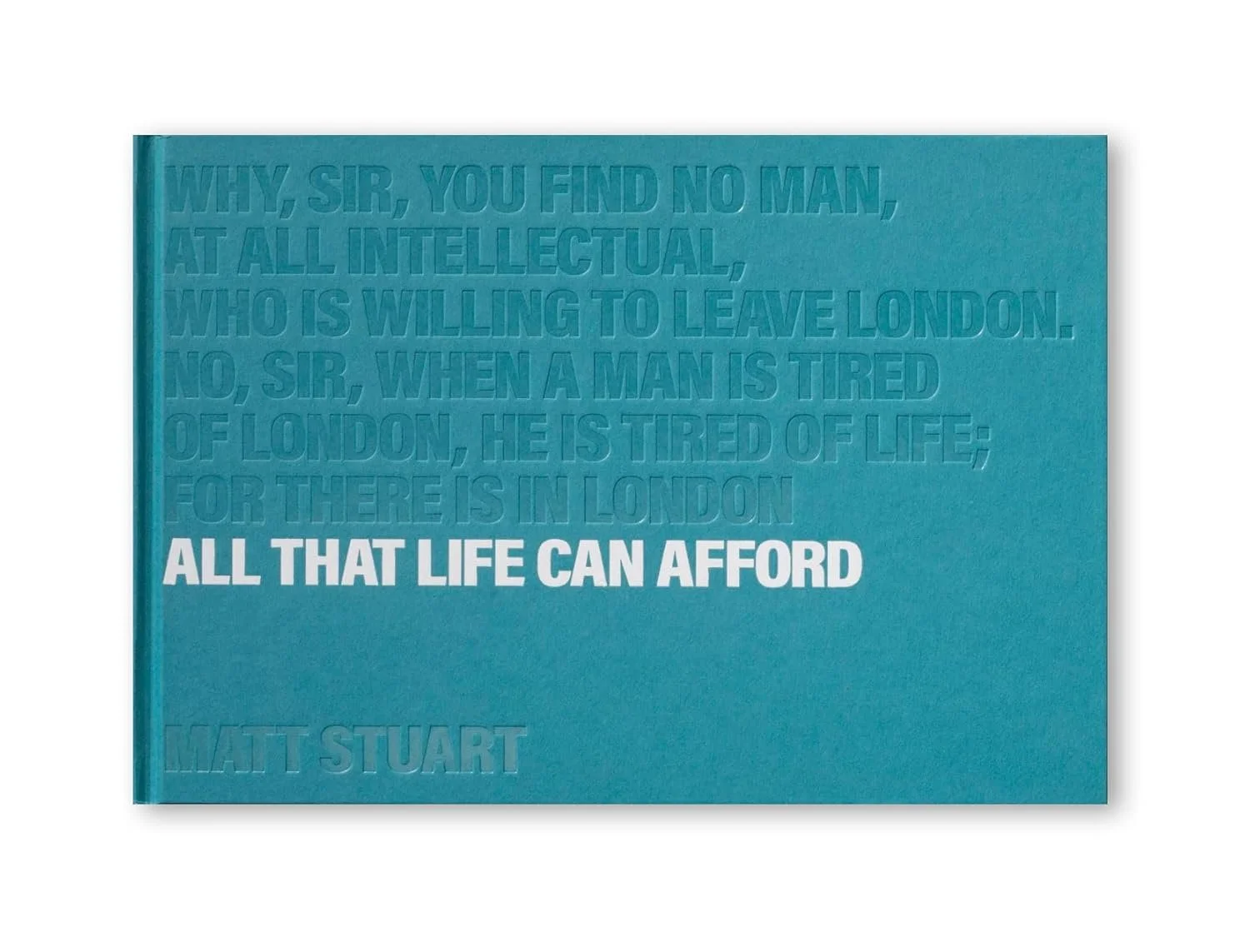
All That Life Can Afford by Matt Stuart
All That Life Can Afford is Matt Stuart’s long‑term portrait of London sidewalks, made with quick reactions, deep patience and a generous sense of humour. Dogs, commuters, tourists and odd props all collide in frames that can feel chaotic at first, then reveal intricate timing, coincidence, and detail. There’s affection in the way he photographs people, even when the joke lands on them. The book’s pacing keeps you moving, one visual punchline leading to the next. It’s a reminder that the city is constantly staging small, surreal performances if you’re willing to stay out and keep looking.
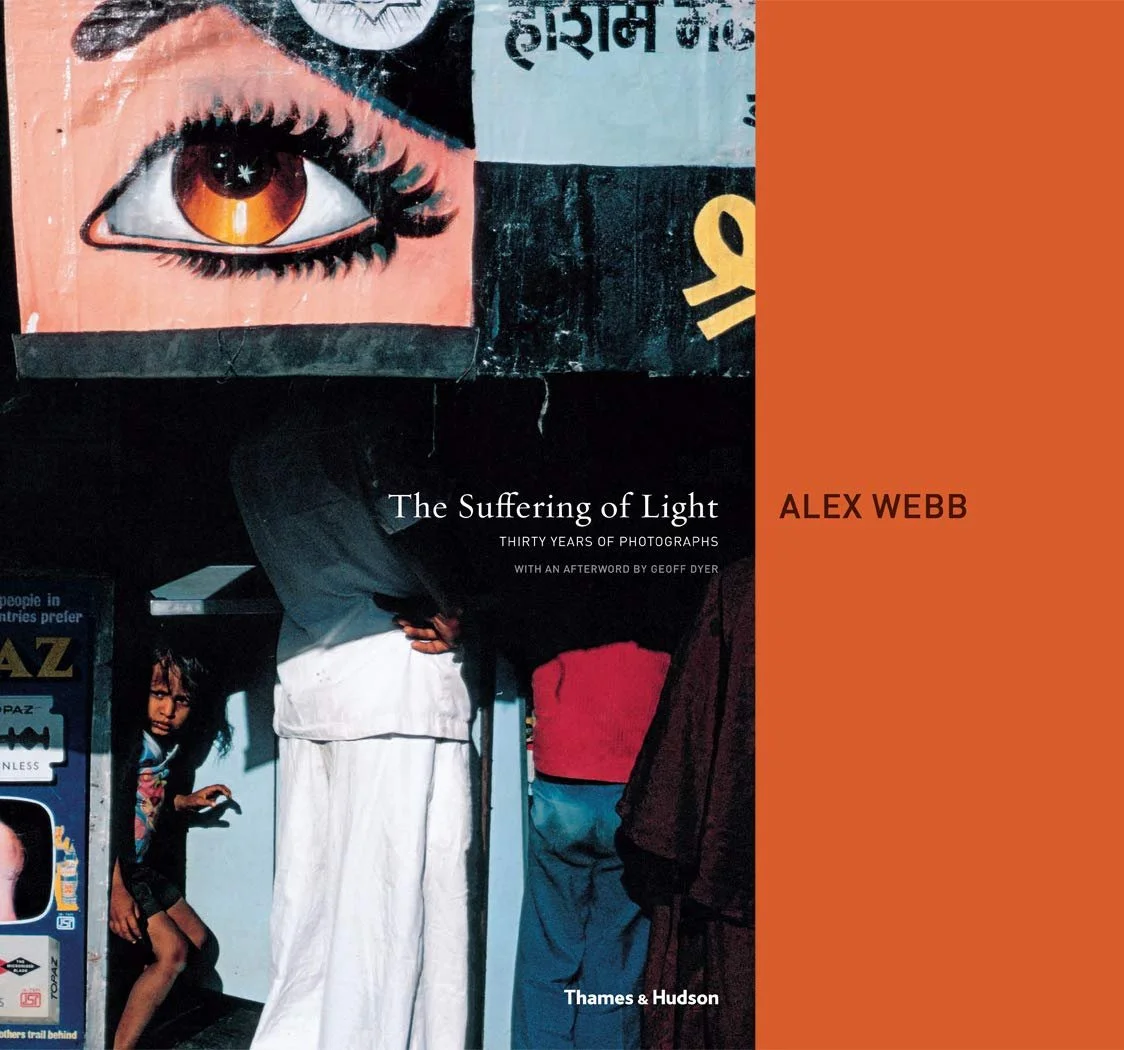
The Suffering of Light by Alex Webb
The Suffering of Light pulls three decades of Alex Webb’s work into one restless, sun‑struck arc. The edit moves from Caribbean ports to Istanbul streets and Mexican border towns, but what really holds it together is his masterful use of layering and colour. Scenes feel half‑staged and half‑accidental, as if Webb is stumbling into theatre that was already happening without him. There’s tension in almost every frame—people on the edge of something, caught between brightness and darkness—and the book rewards slow, repeated readings rather than a single flip‑through. One of my absolute favourites, and a book I come back to repeatedly.