The lessons i wish i knew when i started street photograPhy
I wish I could go back and give myself some advice when I first started my street photography journey several years ago. It would have saved me a great deal of time and money, and helped me progress my photography much faster.
Unfortunately time travel isn’t possible, and most of us don’t have access to a photographic mentor when we are starting out - someone who could have shared their hard learned experiences us. Instead we typically have to make all the mistakes ourselves and figure out our own path.
Therefore I am hoping that by collecting all the lessons I would share with my former self into this blog, I can help someone else learn from my mistakes and hopefully help them on their photographic journey. Here is what I have learned from many hours spent, miles walked, places and countries visited, events attended, and workshops participated in, over multiple years.
1. Camera gear won’t make you a better photographer
It’s incredibly easy to get seduced by the marketing that comes with each new camera or lens release. Hoping that with more megapixels, a faster burst rate, or a lower aperture, I will be able to make better photographs. I’ve fallen into that trap several times over the past few years. The truth is, no amount of new gear will make you a better street or documentary photographer.
What will help is knowing your current camera inside out - setting it up so it is as simple to use as possible, and you know how to adjust your aperture, shutter speed, and ISO on instinct without looking. The same goes for focal length. Pick one prime or zoom you feel comfortable with and commit to it for a prolonged period of time. Focusing on one focal length by using a prime lens will really help you be able to see a composition on the street before you even bring your camera to your eye.
Instead of spending your money on the latest gear, use it to enhance your skills through i) attending workshops (although be careful to chose carefully (!) - see my blog post on this topic), ii) travelling to new places, ii) attending events, or iv) on photography books (more on that below). You will get far more value for money, and progress your photography faster, from any of these than you will do from the latest camera or lens.
2. Photography books should be your greatest source of inspiration
Instagram as a platform has helped me to connect with other photographers and grow a small presence online, but it shouldn’t be used as the primary source of your inspiration. Trends move fast - for example who remembers all the ‘street’ photographers that blew up during the early 2020’s taking long lens shots of trams and colour grading them blue. Before you realise it, if you just follow what is happening on Instagram, you’re making images that look like everyone else’s.
Instead I wish I had fallen into the rabbit hole of photography books earlier, as this is where I have found the greatest source of inspiration. The work of the great photographers from Magnum and beyond has stood the test of time for a reason. These photographers weren’t chasing likes on social media; they were using their camera to tell stories, often over years or decades.
Sitting with a book, turning the pages slowly, noticing the sequencing, details, rhythm, and restraint, has taught me more than endless scrolling on Instagram ever could. I’ll share some of my favourite books in a future blog post.
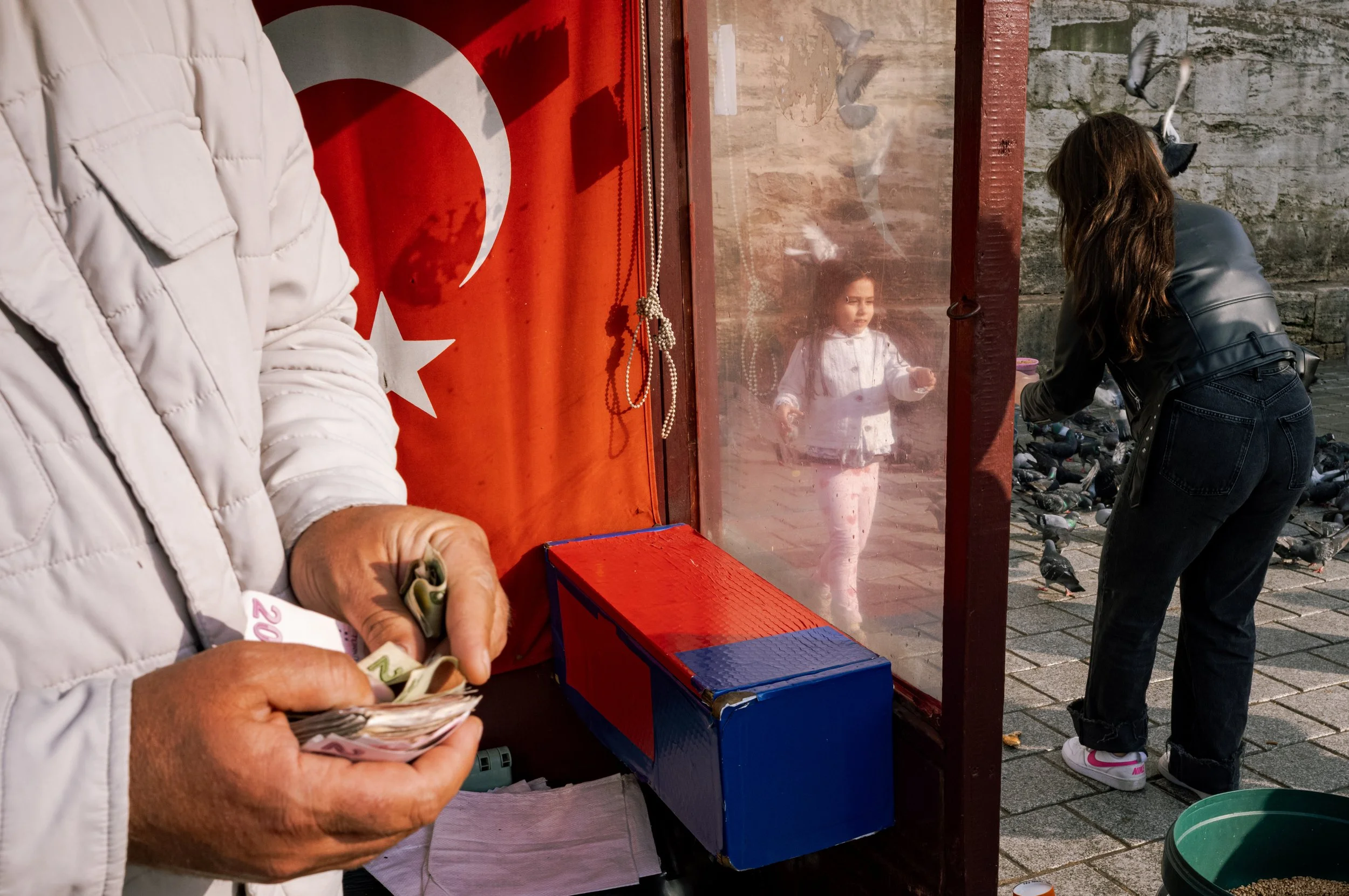
Taken in Istanbul on a workshop with Jonathan Jasberg
3. You don’t need to live in, or visit, a major city to create great work
Because many of the current photographers with large Instagram or YouTube followings, live in or regularly travel t0 places like London, Paris, New York, Istanbul, or Tokyo, there is a misperception that you can only create great photographs and build an audience for your work if you are in a major city. However, that is very much not the case and there are numerous examples of great photographers both past and present who have lived in small towns, or focused their work on projects in remote or less well-travelled places. Some UK examples include Martin Parr’s book The Last Resort in New Brighton, Chris Killip’s work in Skinningrove, Paul Graham’s books on the A1 - Great North Road or Beyond Caring at Social Security Offices, Tom Wood’s book All Zones Off Peak that was all taken on one bus route in Liverpool over many year etc. etc.
I live in Cheltenham, a town of around 100,000 people, and somewhere that seems on face value a fairly boring place. However, my series that won the street category of the Hasselblad Masters was mostly photographed in Cheltenham, often within a ten-minute walk from my house. Additionally my long-term project on Cheltenham Racecourse has just been published in The Raw Society magazine. There are stories worth documenting and photographing everywhere you just need to look harder. and with a fresh pair of eyes. Remember what may feel mundane to you may be fascinating to someone from somewhere else - it took me several years to realise this.
4. Focus on long-term projects with meaning, rather than one-off images that you think will work well on Instagram
Single images can be powerful, but projects are where real growth happens. Chasing one-off shots that you think will perform well online is a dead end.
Long-term projects give your work depth and direction. They force you to return, to reflect, and to refine. Over time, themes emerge and your voice becomes clearer.
They also open doors. A strong body of work can become a zine, a book, or an exhibition. More importantly, it gives your photography meaning beyond instant validation.
5. Maintain positive intent and body language at all times
Photography isn’t just about cameras; it’s about people. Positive body language makes a huge difference to how close you can get and how natural your images feel.
Be open about what you’re doing. Be friendly. Smile. Step into a scene confidently, make your presence known, and then become ignorable. When people sense you’re relaxed and respectful, they quickly carry on with their lives.
That’s when the real moments happen.
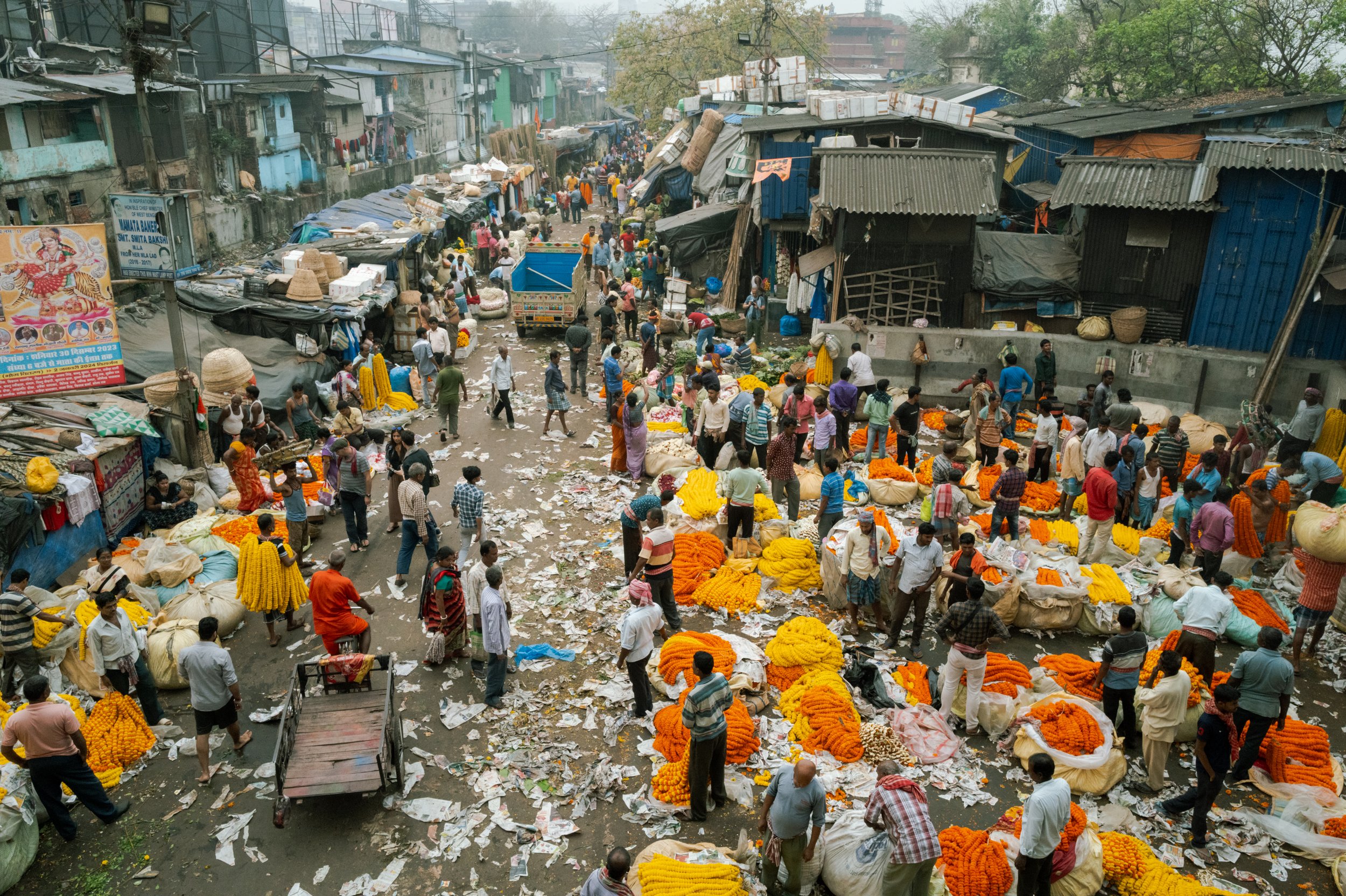
Taken in Kolkata on a workshop with The Raw Society
6. Learn how to zone focus and don’t worry about sharp images
Learning to zone focus with manual prime lenses was a turning point for me. It’s faster than autofocus, more reliable, and frees up mental space to think about what actually matters: composition and timing.
Autofocus is clever, but it doesn’t know what you care about. It will happily lock onto the wrong subject at the worst possible moment. Zone focusing removes that uncertainty. Once you’ve set your distance and aperture, the camera becomes an extension of you rather than something you’re fighting against.
It takes practice, but once it clicks, it changes the way you work on the street.
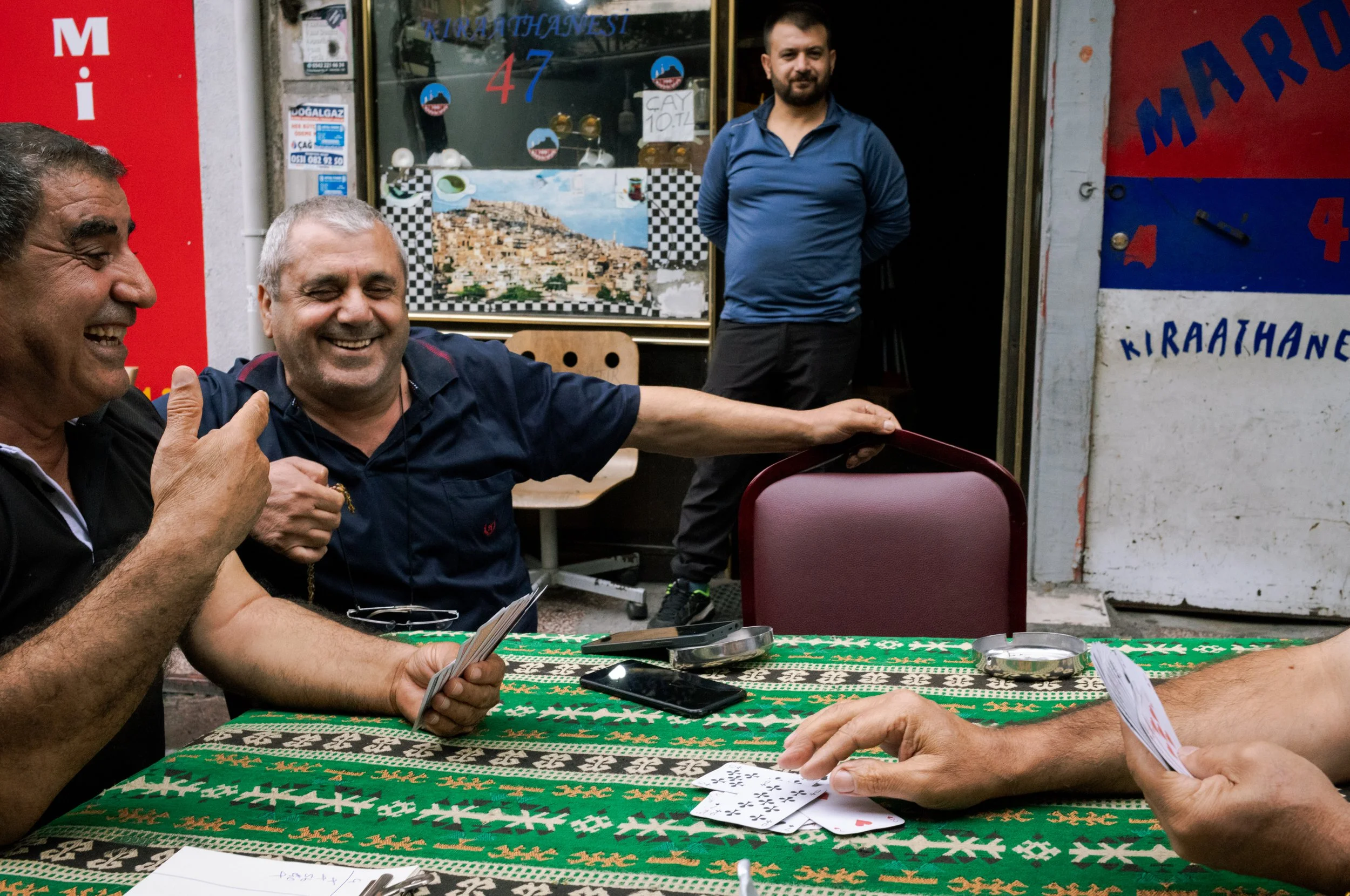
Taken in Istanbul on a workshop with Eduardo Ortiz
7. Get closer
This is the simplest lesson, and still the hardest to follow. If you’re using a 28mm or 35mm lens, you need to be close. Really close. Ideally within one to two metres of your subject.
Distance dilutes impact. Getting closer fills the frame, adds energy, and places the viewer inside the scene rather than observing from the sidelines.
It’s uncomfortable at first, but discomfort is often a sign you’re pushing in the right direction.
In conclusion
None of these lessons are shortcuts. They don’t promise quick results or overnight success. But taken together, they’ve helped me build a way of working that feels honest, sustainable, and personal. And that, for me, is what photography is really about.